
Wondering what your salary actually affords abroad? Run your own numbers in under a minute.
Open the calculatorCancún isn't just spring break anymore. It's become a real digital nomad base. Caribbean beaches, reliable internet, and a cost of living that starts at $1,200/month. Here's the actual breakdown for remote workers looking at Mexico's Caribbean coast in 2026.
Monthly budget overview
| Category | Budget (MXN) | Budget (USD) | Comfortable (USD) |
|---|---|---|---|
| Rent (1BR) | MXN 8,000-12,000 | $450-680 | $800-1,200 |
| Groceries | MXN 4,000-5,500 | $230-310 | $350-450 |
| Transport | MXN 1,500-3,000 | $85-170 | $150-250 |
| Internet + mobile | MXN 1,000-1,500 | $57-85 | $70-100 |
| Dining out | MXN 3,000-5,000 | $170-280 | $300-500 |
| Health insurance | MXN 2,000-4,000 | $115-230 | $150-300 |
| Entertainment | MXN 2,000-4,000 | $115-230 | $200-400 |
| Total | MXN 21,500-35,000 | $1,220-1,985 | $2,020-3,200 |
Exchange rate used: ~MXN 17.6 per USD (March 2026). Rates fluctuate, but the peso has been relatively stable against the dollar in 2025-2026.
Rent: where to live
Cancún has three zones with very different feels and price points:
- Centro (Downtown): MXN 7,000-12,000/month ($400-680). Where locals live. Taquerías, Parque de las Palapas, Mercado 28. Not pretty, but real and cheap. Good for budget nomads.
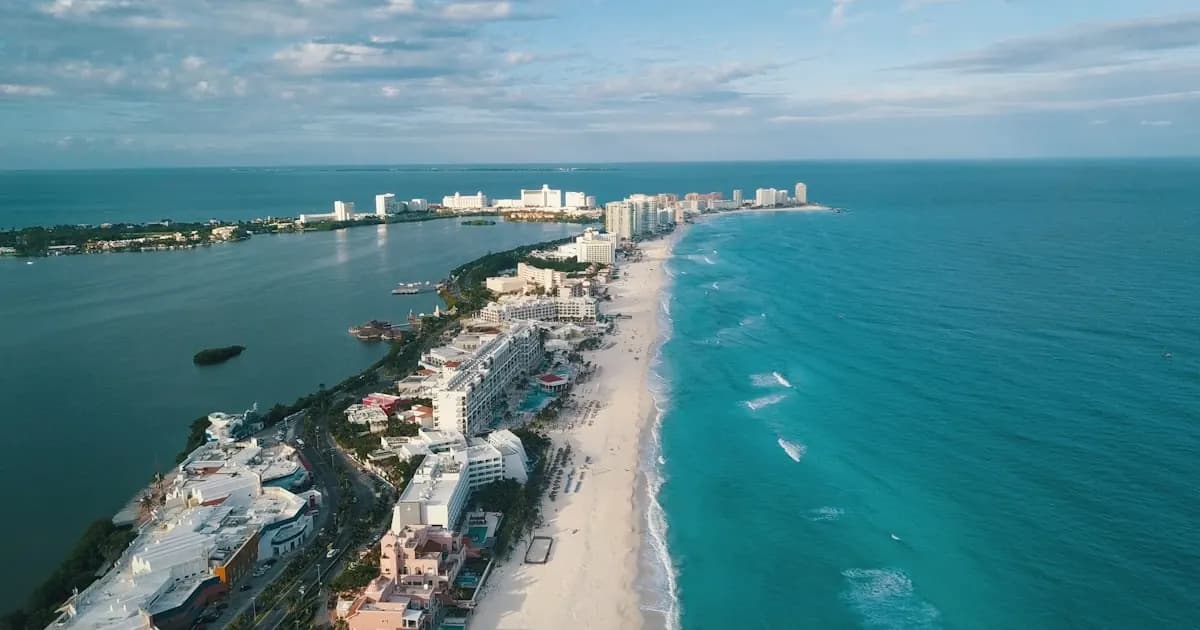
- Zona Hotelera: MXN 15,000-30,000/month ($850-1,700). The hotel strip along the lagoon. Beach access, tourist restaurants, resort feel. Expensive, but you wake up to turquoise water. Mostly short-term rentals.
- Puerto Cancún: MXN 14,000-25,000/month ($800-1,420). New development north of Zona Hotelera. Modern apartments, marina, upscale restaurants. The "expat premium" zone. Nicer than Centro, cheaper than beachfront.
Coworking
Cancún's coworking scene has grown a lot since 2023. The main options:
- Bunker Coworking: downtown, MXN 3,000-4,500/month ($170-255). AC, fast wifi, community events.
- NÖM Coworking: modern space in Plaza La Isla, day passes from MXN 250 ($14).
- Selina (Zona Hotelera): hostel/cowork combo, MXN 200/day ($11). Good for meeting other nomads.
- Home office: most apartments in Puerto Cancún and newer Centro buildings have fibre internet (50-100 Mbps).
Visa and legal options
Mexico is famously easy for long-term stays.
- Tourist entry (FMM): 180 days, no visa required for most nationalities. Free. You can technically leave and re-enter, but immigration officers may push back on repeated entries.
- Temporary Resident Visa: 1-4 years, requires proof of income (~$2,500/month or $43,000 in savings). Lets you stay legally and open a bank account.
- Tax implications: 183+ days/year in Mexico may make you a tax resident. Mexico taxes worldwide income for residents. Talk to a tax advisor before crossing this.
Internet and infrastructure
Internet used to be Cancún's weak point. It's gotten much better.
- Home fibre: Telmex/Izzi offer 100-200 Mbps for MXN 600-900/month ($34-51). Available in most of Centro and all of Puerto Cancún.
- Mobile data: Telcel 4G/5G covers the whole city. Unlimited plans from MXN 450/month ($26).
- Backup: Starlink is available in Mexico and popular among nomads as a failover. MXN 1,800/month ($102).
- Power: occasional outages during hurricane season (June-November). A UPS is worth it.
Health insurance
- IMSS (public): MXN 7,000-12,000/year ($400-680/year). Available to temporary residents. Covers basics but long waits.
- Private Mexican insurance: MXN 2,000-4,000/month ($115-230). GNP, AXA México, Seguros Monterrey. Good coverage at private hospitals.
- International nomad insurance: SafetyWing ($83/month), World Nomads, Genki. Designed for location-independent workers.
- Out of pocket: a doctor visit costs MXN 500-800 ($28-45). Dental work is 50-70% cheaper than the US.
Lifestyle: beyond the beach
- Beaches: Playa Delfines, Playa Tortugas, and Isla Mujeres (30 min ferry). World-class and free.
- Day trips: Chichén Itzá, Tulum ruins, cenote swimming, Isla Holbox. All 2-3 hours away.
- Nightlife: the Zona Hotelera strip (Coco Bongo, The City) is famous. Downtown has cheaper, more local bars.
- Food: street tacos MXN 15-25 ($0.85-1.40), ceviche MXN 80-120 ($4.50-6.80). The seafood is outstanding.
- Safety: Zona Hotelera and Puerto Cancún are safe. Downtown varies by neighbourhood. Stick to well-lit areas at night.
Cancún vs other nomad hubs
| Factor | Cancún | Bali | Lisbon | Bangkok |
|---|---|---|---|---|
| Monthly cost | $1,200-2,000 | $1,000-1,800 | $1,800-2,800 | $900-1,500 |
| Visa ease | Very easy (180 days) | Easy (60 days, extendable) | Moderate (D7 visa) | Easy (60 days, extendable) |
| Internet | Good (50-200 Mbps) | Variable (20-100 Mbps) | Excellent (100+ Mbps) | Excellent (100+ Mbps) |
| US timezone overlap | EST (perfect) | 12-15h ahead | 5-8h ahead | 11-14h ahead |
| Beach quality | Caribbean (A+) | Mixed (B+) | Atlantic (B) | 1-2h away (B) |
| Food cost | $3-8/meal | $2-5/meal | $8-15/meal | $2-5/meal |
Cancún's killer advantage for US-based remote workers is timezone alignment. You can take calls during normal EST hours and be on the beach by 5pm. No other tropical nomad hub does that.
Plan your move to Cancún
Compare cost of living across cities worldwide and see what your salary means in different locations.
Frequently Asked Questions
Topics covered
Run the numbers for yourself
Put in your salary and see what a month in Mexico looks like after rent and tax.
Start calculating
